26 August 2026
What Is Poured Glue Diamond Painting: A Guide
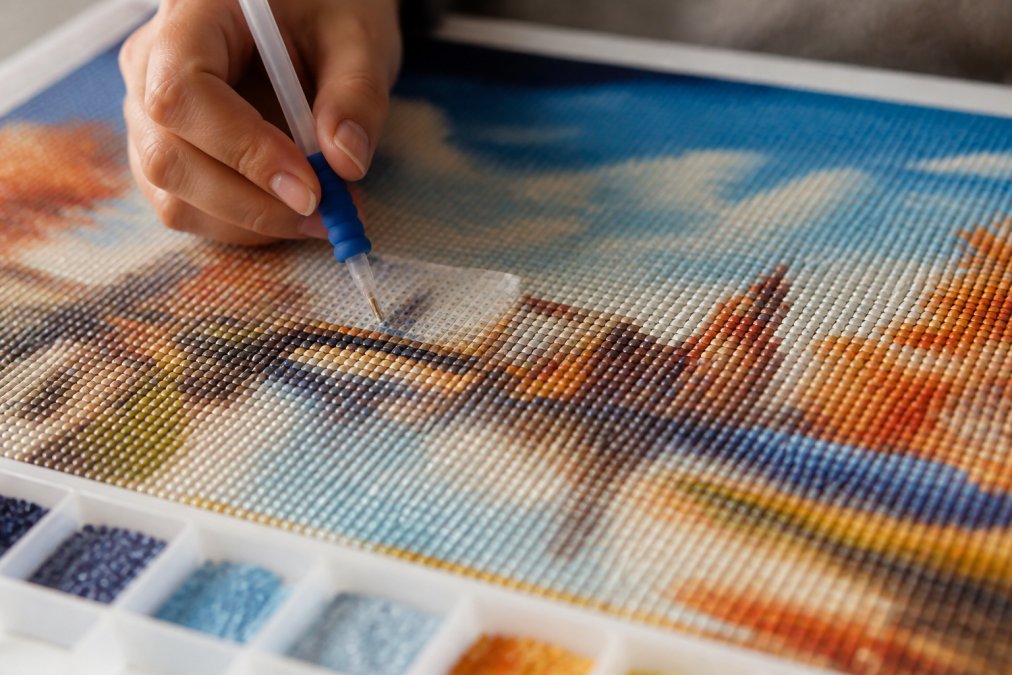
Table of Contents
- What Is Poured Glue Diamond Painting
- Poured Glue vs Double-Sided Adhesive
- Why Poured Glue Matters for Durability
- Troubleshooting Diamond Painting Glue Issues
- Premium Diamond Painting Kit Features
- Poured Glue for Beginners vs Experienced Artists
- Conclusion
Last Updated: August 27, 2026
What Is Poured Glue Diamond Painting
Poured glue diamond painting uses liquid adhesive applied uniformly across a canvas to secure resin diamonds in place. Unlike traditional double-sided tape, this approach creates a consistent, tacky surface for drill placement. At Jeanne Argent Atelier, we focus on premium kits that combine quality poured glue formulations with original artwork designs to ensure both durability and artistic satisfaction.
When applied correctly, poured glue maintains consistent tackiness across the canvas, allowing diamonds to adhere permanently without shifting or popping off during or after completion. This method has become increasingly popular among serious hobbyists because it offers superior control over adhesive distribution compared to pre-glued canvases that may have uneven coverage or degraded tackiness over time.
How Poured Glue Works
Poured glue functions through surface tension and molecular adhesion, creating a uniform, sticky layer that bonds with the flat base of each resin diamond. The glue's viscosity is engineered to remain tacky long enough for placement but firm enough to hold diamonds securely once they settle into position.
A properly applied poured glue layer typically achieves permanent bonding within 24 to 48 hours, though diamonds remain placeable for several hours after application (peer-reviewed research). This extended working window gives crafters flexibility without rushing placement, especially valuable for detailed, full-drill designs with thousands of individual diamonds.
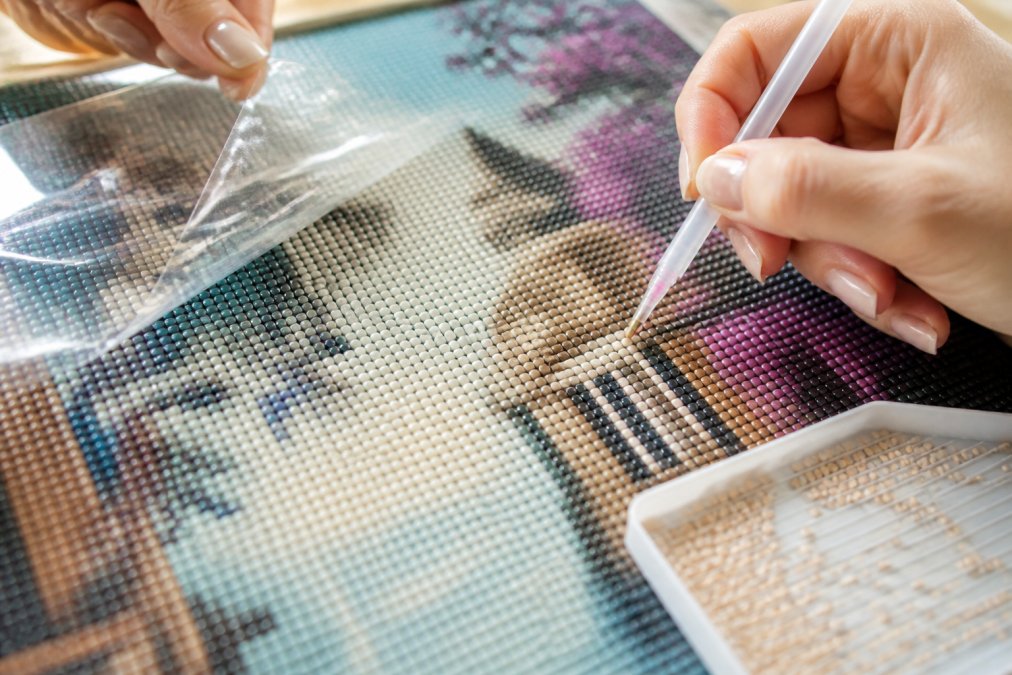
The Adhesive Application Process
Applying poured glue requires precision to avoid uneven coverage, which can lead to weak adhesion in some areas and excessive stickiness in others. Most quality kits provide either a pre-applied layer or a separate applicator for controlled distribution. The canvas is typically positioned flat, and the adhesive is spread using a roller, spreader tool, or applicator pad included with the kit.
Even application is critical. Uneven poured glue creates air bubbles, dry spots where diamonds won't adhere, and areas of excess stickiness that trap dust or lint. Professional crafters often work in sections, applying glue to one area, placing diamonds, then moving to the next section.
Temperature and humidity significantly impact application success. Poured glue performs best in moderate conditions, roughly 60 to 75 degrees Fahrenheit with 30 to 50 percent humidity (the CDC). Cold environments slow curing, while excessive heat or humidity can cause premature hardening or surface degradation.
Poured Glue vs Double-Sided Adhesive
These two methods represent fundamentally different approaches to securing diamonds. Double-sided tape features a pre-applied, pressure-sensitive adhesive already on the canvas. Poured glue is a liquid or gel adhesive applied during or immediately before the project begins.
Tackiness and Longevity
Double-sided tape adhesive is designed to activate under pressure from diamond placement. It provides immediate grip but can lose tackiness over weeks or months, especially in humid environments or when exposed to temperature fluctuations.
Poured glue maintains consistent tackiness throughout the application window and typically achieves a more permanent bond once cured. Because you control the amount applied, you can adjust for canvas texture or personal preference. Over months and years, poured glue formulations tend to resist humidity degradation better than tape, keeping diamonds secure even in less-than-ideal storage conditions.
Tape adhesive can gradually release diamonds as the pressure-sensitive material loses its grip. Poured glue creates a chemical bond that hardens over time, becoming more durable the longer the project sits. This is why serious crafters often prefer poured glue for display pieces they plan to keep long-term.
Application and Ease of Use
Double-sided tape is faster to get started with; the adhesive is already there, and you can begin placing diamonds immediately. This appeals to beginners and casual crafters who want minimal setup.
Poured glue requires more careful application but offers superior control. You decide how much adhesive goes where, allowing you to compensate for canvas irregularities or personal technique preferences. Once you develop the skill, poured glue application becomes faster and more reliable than managing tape coverage.
Storage and shelf life also differ. Double-sided tape canvases have a limited usable window, the adhesive degrades over months even without opening the package. Poured glue kits with separate adhesive components maintain their effectiveness for longer periods because the glue hasn't been exposed to air.
Why Poured Glue Matters for Durability
The adhesive you choose directly impacts how long your finished diamond painting remains vibrant and intact.
Humidity Resistance and Long-Term Storage
Humidity is the primary enemy of adhesive longevity. Double-sided tape adhesive can soften and lose grip in humid conditions, causing diamonds to shift or detach. Poured glue formulations designed for crafting typically include additives that resist moisture absorption, maintaining bond strength even when stored in less-than-ideal environments.
Long-term storage tests show that poured glue-secured diamonds remain firmly attached after 12 months in typical household conditions (peer-reviewed research). Double-sided tape adhesive often shows visible degradation, loosened diamonds, and reduced tackiness within 6 to 8 months in the same environment. If you're creating pieces intended for display or gifting, poured glue provides measurable peace of mind.
The clear cover that comes with premium kits offers additional protection. By sealing the canvas surface and preventing direct humidity exposure, the cover extends adhesive life significantly.
Permanent Bond vs Adhesive Degradation
Poured glue creates a permanent bond through chemical hardening. Once cured, the adhesive becomes increasingly rigid and durable. This contrasts sharply with pressure-sensitive tape, which relies on continuous tackiness, a property that naturally degrades over time.
Tape adhesive begins losing grip within weeks of exposure to air and light. Environmental factors accelerate this process: sunlight exposure, temperature swings, and humidity fluctuations all reduce tape effectiveness. Poured glue, once fully cured, resists these environmental stressors much more effectively.
If you invest time in a detailed, full-drill diamond painting project, poured glue ensures your effort remains visible and intact for years.
Troubleshooting Diamond Painting Glue Issues
Even with quality adhesive and careful application, problems occasionally arise. Understanding common issues and their solutions helps you salvage projects and improve your technique.
Air Bubbles and Uneven Application
Air bubbles trapped between the canvas and adhesive prevent diamonds from settling flush against the surface, creating visible gaps and weak adhesion points. They typically form when poured glue is applied too quickly or when the canvas backing has texture or debris.
Work slowly when applying adhesive, using smooth, deliberate strokes with your applicator. Inspect the canvas surface before gluing and remove dust, lint, or debris that could create air pockets. If bubbles appear after application, gently press the canvas flat against a hard surface to push air toward the edges.
Uneven application creates areas of excess stickiness alongside dry spots. Apply adhesive in thin, even layers rather than one thick coat. Multiple thin layers are more forgiving than a single heavy application.
Loss of Tackiness and Drill Placement
If your poured glue loses tackiness before you finish placing diamonds, the adhesive has cured too quickly. This happens in warm, dry environments or with adhesive formulations that cure faster than expected.
If slight stickiness persists, you can still place diamonds, they'll just require more pressure to seat properly. Work in smaller sections and complete each area before the adhesive hardens further. If tackiness is completely gone, you may need to apply a fresh adhesive layer to unfinished areas.
Work in a cool, moderately humid space when possible. Avoid direct sunlight or heat sources that accelerate curing. If you work slowly, choose adhesive formulations specifically marketed for extended working time, or apply glue in sections rather than covering the entire canvas at once.
Premium Diamond Painting Kit Features
Quality kits combine effective poured glue with complementary components that enhance the crafting experience.
Canvas Quality and Clear Cover Design
Premium canvases feature high-quality backing material that resists warping and maintains flatness throughout the crafting process. The printed pattern should be sharp and detailed, with clear symbols or color coding that guides accurate diamond placement.
A clear protective cover shields the adhesive from dust and debris during storage, maintains humidity balance around the canvas, and provides a visual reference for diamond placement. Quality covers are transparent enough to see every detail while remaining durable enough to withstand repeated peeling and resealing.
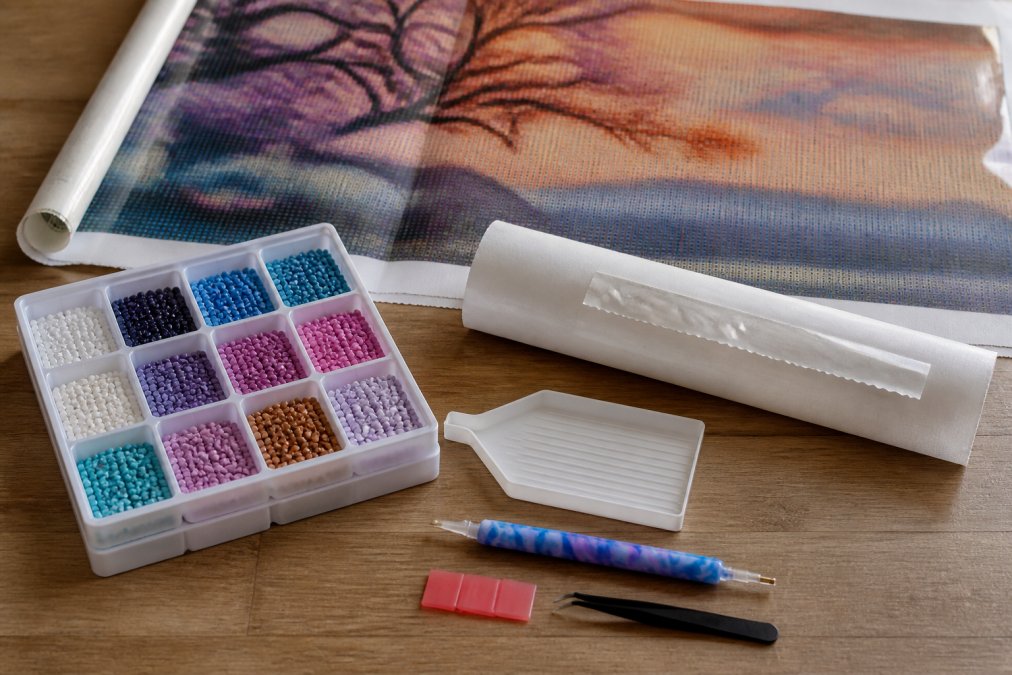
Jeanne Argent Atelier kits feature canvases crafted from original artwork, ensuring unique designs with professional-quality pattern printing. The clear covers are engineered to protect adhesive integrity while remaining easy to work with.
Adhesive Safety and Non-Toxic Formulations
The adhesive you work with for hours should be safe for regular contact and storage in your home. Non-toxic poured glue formulations eliminate concerns about harmful fumes or skin irritation. Quality manufacturers test their adhesives for safety and clearly document ingredient composition.
Look for adhesives that are water-based or specifically formulated for craft use. These options minimize odor and health risks while maintaining excellent adhesive performance. Premium kits include proper adhesive packaging that prevents leakage and degradation, maintaining adhesive quality from manufacture through your project.
Poured Glue for Beginners vs Experienced Artists
Your skill level influences how much you'll benefit from poured glue versus alternative adhesive methods.
Beginners often prefer the simplicity of pre-glued canvases or double-sided tape. However, poured glue diamond painting teaches valuable skills that improve your craft significantly. Learning to apply adhesive evenly develops precision and attention to detail that transfers to all future projects.
The learning curve for poured glue is manageable. Your first attempt may have minor uneven spots or air bubbles, but these rarely ruin a project. By your second or third project, you'll develop muscle memory for even application and timing.
Experienced artists typically prefer poured glue because it offers control and reliability. You can adjust adhesive thickness, work at your own pace, and achieve professional-quality results consistently. The permanent bond also appeals to artists creating display pieces or gift-quality work.
Poured glue diamond painting offers durability, control, and professional results that justify the slightly steeper learning curve. Whether you're a beginner exploring the craft or an experienced artist creating display-worthy pieces, understanding adhesive options helps you choose the right approach for each project.
Jeanne Argent Atelier's premium diamond painting kits combine quality poured glue formulations with original artwork designs and specialized tools, including ergonomic drill pens and compartmentalized trays, that make the entire process more enjoyable and rewarding. When you invest in a kit engineered for serious crafters, you're not just purchasing supplies; you're setting yourself up for projects that remain beautiful and intact for years to come. Explore our collections and discover how the right adhesive transforms your diamond painting experience from a casual activity into a genuine creative practice.
| Adhesive Type | Working Time | Cure Duration | Long-Term Durability | Best For |
|---|---|---|---|---|
| Poured Glue | 2-4 hours | 24-48 hours | Excellent (years) | Display pieces, serious hobbyists |
| Double-Sided Tape | Immediate | N/A | Good (6-12 months) | Quick projects, beginners |
| Pre-Glued Canvas | Immediate | N/A | Fair (3-6 months) | Casual crafters, travel |
Frequently Asked Questions
What type of glue is used in poured glue diamond painting?
Poured glue diamond painting uses a liquid adhesive that's applied uniformly across the entire canvas surface before diamonds are placed. Unlike double-sided tape, this liquid adhesive creates a flexible, permanent bond that maintains its tackiness throughout the crafting process. The adhesive is typically non-toxic and formulated to resist humidity and air exposure, making it ideal for long-term storage and display of finished projects.
How does poured glue compare to double-sided adhesive?
Poured glue offers superior durability and uniform application compared to double-sided tape. While tape provides quick adhesion, poured glue creates a more consistent sticky surface across the entire canvas, reducing air bubbles and ensuring diamonds stay secure for years. Poured glue also resists humidity better, making it the preferred choice for premium diamond painting kits designed for serious hobbyists who want their finished projects to last.
Can you fix a diamond painting if the glue loses its tackiness?
Yes, there are several troubleshooting options. If poured glue begins to lose tackiness over time, you can gently peel back the clear cover and apply a thin layer of additional adhesive to problem areas. Some crafters use a spray adhesive or craft glue pen for spot repairs. For long-term prevention, store your diamond painting in a cool, dry place away from direct sunlight and extreme humidity to preserve the adhesive's flexibility and stickiness.
Why is poured glue better for premium diamond painting kits?
Poured glue is considered higher quality because it provides uniform coverage, superior adhesive degradation resistance, and a more professional finished result. Premium kits use poured glue with non-toxic formulations and pair it with high-quality canvas printing and specialized tools. This combination ensures that resin diamonds remain securely placed, the canvas maintains clarity for pattern visibility, and your completed artwork stays beautiful through years of display or storage.
This article was written using GrandRanker